
Climate change and its impacts are some of the biggest environmental, health, and societal issues our society is facing today. Our environment is experiencing more natural disasters such as heat waves, floods, and other increased extreme weather events. The environmental damage impacts public health in the form of access to safe drinking water, clean air, adequate and healthy food supply, safe shelter, and resources.
0 Comments
How we think informs how we speak and can inform how we act. Stigmatizing language about weight can perpetuate weight stigma and weight bias and lead to inadequate care. In order to improve how we talk about weight, we have to first understand how we think about weight.
Observances present a powerful tool for social marketing, health education, health promotion, and health marketing. Health awareness and action days, weeks, and months provide designated periods of time for helping to raise awareness of, mobilize resources for, and celebrate advancements in addressing important public health topics and issues.
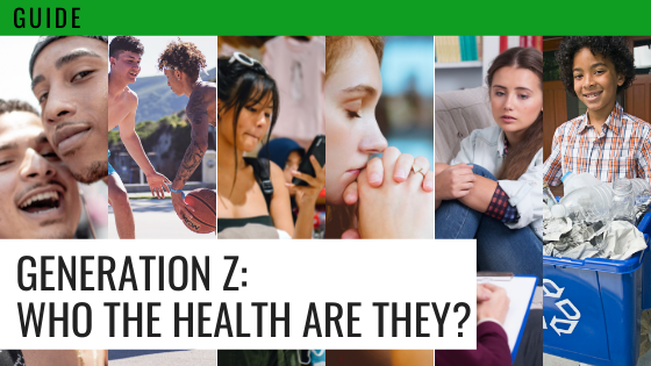
Who is Gen Z?
According to Pew Research Center, Gen Z was born from 1997 to 2012, making them (in 2019) 7 to 22 years old. Gen Z makes up 23% of the U.S. population--that’s over 68 million Americans. Almost half (46%) of Gen Zers are racial/ethnic minorities (one in four are Hispanic), making this generation the most diverse yet.
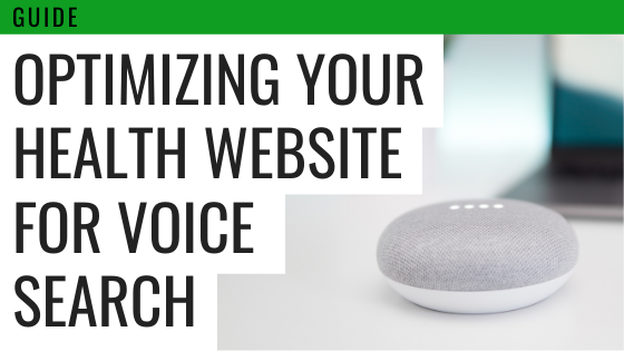
Why do you need to optimize for voice search?
Because, voice assistants and other voice search-enabled mobile applications are available on most electronic devices, including smartphones, tablets, laptops, desktops, smart speakers, smart TVs, wearables and even cars. And by 2020, 30 to 50% of all searches will occur via voice.
|
Learn about our blog submission guidelines. >>
The views and opinions expressed by individual authors on this blog are their own and do not necessarily reflect the official policy or position of Let's Talk Public Health.
Categories
All
|
 RSS Feed